

 InfoSearched
A nine-year-old took on Nintendo, LJN, and Major League Baseball — and he had the receipts to back it up.
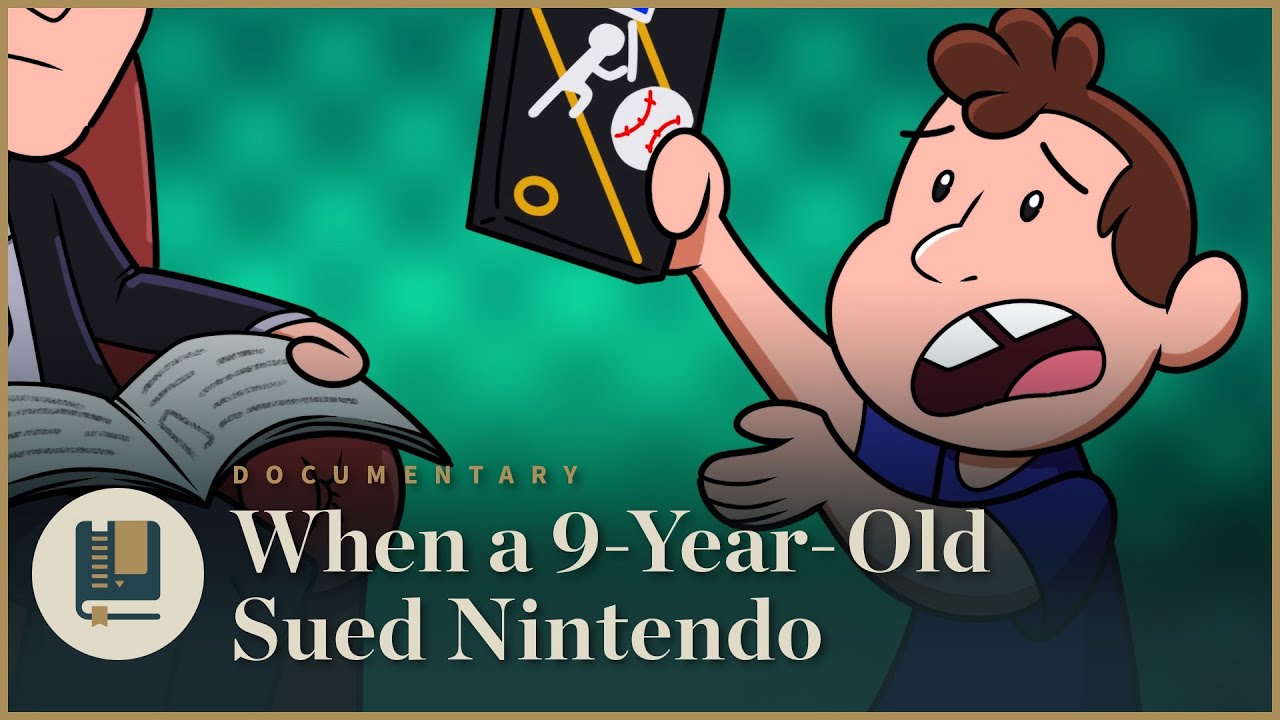
In January 1990, Clark Thiemann of Westport, Connecticut, walked into Bridgeport Superior Court as a plaintiff at age nine. His target wasn’t a schoolyard bully — it was Nintendo of America, game publisher LJN Toys Ltd., and Major League Baseball itself. The dispute traced back to a single $40 cartridge purchase and a roster full of players with no names attached to them.
- Clark Thiemann, 9, of Westport, Connecticut, filed suit in Bridgeport Superior Court in January 1990 against Nintendo of America, LJN Toys Ltd., and Major League Baseball, represented by attorney Lawrence Kanaga.
- Thiemann bought the 1988 NES game ‘Major League Baseball’ for $40 in October 1989, paying with money he’d saved returning recyclable cans and bottles.
- The suit sought class-action status, a halt to the game’s production and retail distribution, and a full refund of his $40.
The Purchase That Started It All
Thiemann had saved his own money — nickels and dimes from bottle and can returns — to buy ‘Major League Baseball’ for the Nintendo Entertainment System in October 1989. The packaging sold the game as a managerial simulation, promising the chance to run a big-league roster: set lineups, make in-game strategy calls, act as a real team manager on and off the field. For a kid who’d just dropped $40 of hard-earned bottle money, that pitch mattered.
The Game Failed To Deliver
LJN had licensed team names and logos directly from Major League Baseball, so the box could legitimately show real franchises. What it didn’t have was a license from the Major League Baseball Players Association. That meant no actual player names anywhere in the game — rosters were filled with bare uniform numbers and thin, incomplete stats instead of the stars Thiemann expected to manage.
The Legal Argument
Thiemann and Kanaga built the case around that gap between the box art and the cartridge. Their argument was straightforward: there was no way for a kid, or anyone else, to figure out who was actually on the field.
Contemporary baseball reference guides and stat books didn’t index players by uniform number — so a jersey number on screen couldn’t be matched to a real ballplayer at all.
Before any of this reached a courtroom, Thiemann had tried the direct route — contacting the defendants himself to voice his complaint. He came away unsatisfied with their response, which is what pushed the matter from a customer-service letter into a formal suit.
The Lawsuit Demanded Specific Compensation
The complaint wasn’t asking for pocket change. Thiemann’s suit sought class-action status on behalf of other buyers, demanded that Nintendo stop producing and shipping the game to retailers, and asked for his $40 back in full.
Whatever happened next in the courtroom, the case itself became one of those stories that outlasts the docket number — a nine-year-old with a bottle-return fund and a lawyer taking on Nintendo, LJN, and MLB over a roster full of nameless jersey numbers on an NES cartridge that promised a lot more than it delivered.




I tried Google Stadia at GDC 2019. I have Mixed Feelings
How Much Better Is Sonic’s Redesign? Head to Head Comparison! (Sonic the Hedgehog Movie)
How I got RICH playing Fortnite!
Control – The Battle is on! | PS4
Ubisoft Reveals New Game Titles at E3 2019 | NowThis