

 InfoSearched
Defining the Modern Gaming Masterpiece
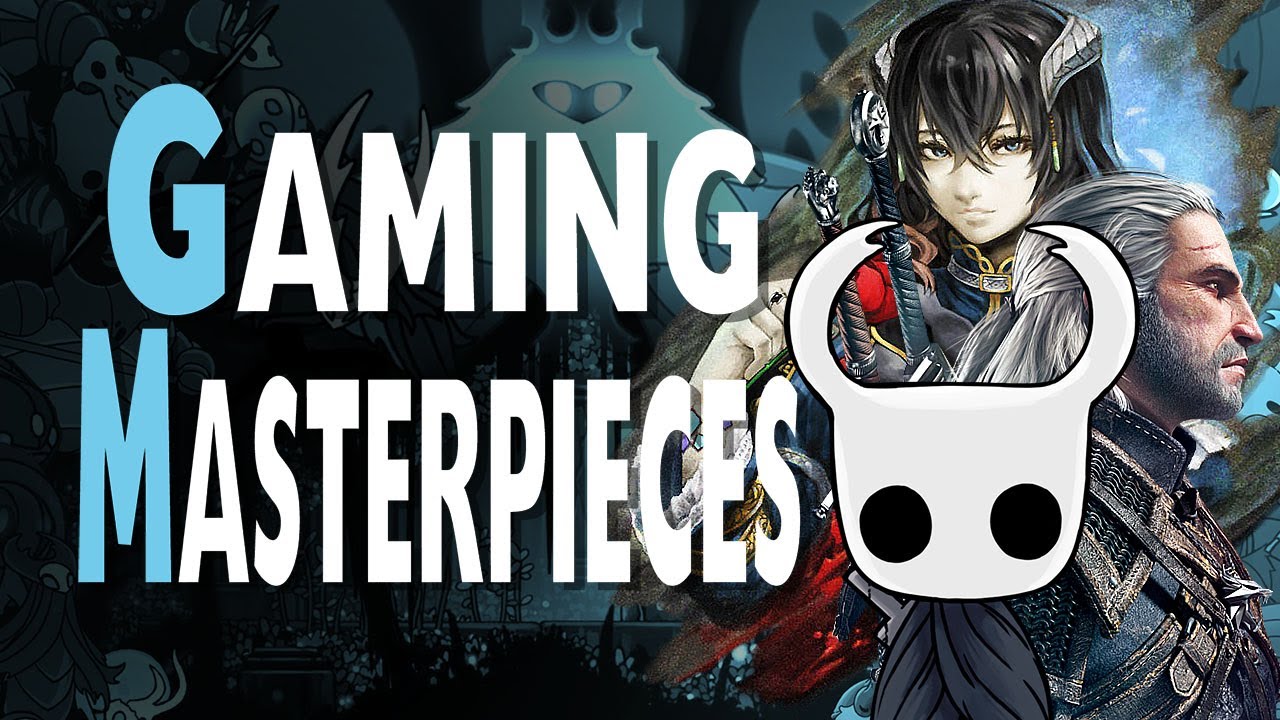
Candid Games’ video essay “Gaming Masterpieces” isn’t a ranked list or an industry retrospective. It’s a personal, first-person breakdown of how the creator arrived at their own definition of “masterful” after noticing something uncomfortable: several of the games they’d call masterpieces are, on close inspection, flawed in ways that would sink a lesser title’s reputation. The video works through that contradiction directly rather than dodging it.
- Candid Games frames the entire discussion as personal commentary rather than an objective, critic-consensus ranking of the best games ever made.
- The video’s central argument is that many titles widely regarded as masterpieces are still flawed in notable, specific ways.
- The creator ties the “masterpiece” label to individual engagement and personal taste, not a fixed checklist of technical or critical criteria.
A Subjective Case, Made on Purpose
Candid Games opens from a simple, honest place: they were just playing games and started mentally sorting certain titles into a “masterful” pile. Instead of stopping there, the video interrogates that instinct — what is it actually doing when a player slaps the word “masterpiece” on a game? The essay treats that labeling process as worth examining on its own, not as a settled fact everyone already agrees on.
That approach separates the video from typical best-of content. There’s no attempt to build a universal, defensible ranking the way a publication might when compiling something like a year-end games roundup. Candid Games is explicit that this is their lens, their history with these games, and their tolerance for imperfection — nothing more, nothing less.
Flawed Favorites Under the Microscope
The heart of the video is the acknowledgment that games the creator personally treats as masterpieces still carry real flaws. That’s the tension driving the whole piece: if a masterpiece is supposed to be a near-perfect object, how does a game earn that title while still having rough edges a critic could pick apart? Candid Games doesn’t try to explain the flaws away — the video sits with the contradiction instead.
Every masterpiece has a scratch in it somewhere — the question is whether you love the game enough to look past it.
That framing echoes a familiar debate around games that split fans and critics — the kind of discourse that surrounds titles like Bioshock, where a celebrated story and world design get discussed right alongside well-documented mechanical or pacing complaints. Candid Games’ point is that this coexistence — brilliance and flaw living in the same game — isn’t an exception. It’s closer to the rule.
Key Criteria for Legendary Status
Rather than proposing a formula, the video lands on individual engagement and personal taste as the real deciding factors in whether a game gets remembered as a masterpiece. Critical standards matter, but Candid Games treats them as one input among several, not the final word. Two players can log the same hours in the same game and walk away with completely different verdicts — and the video treats that as the interesting part, not a problem to be solved.
That personal-taste argument tracks with how plenty of cult and under-the-radar titles get talked about long after release — games that never topped sales charts but still get defended fiercely by the people who played them, the same way a game like BioMutant draws its own small, committed following despite mixed critical reception.
Candid Games never pretends to settle the debate — the video ends the way it started, with the creator’s own list of flawed favorites intact and no apology for keeping them there.




I spent $1,000,000 Robux
Final Fantasy VII Remake – Final Trailer | PS4
Why You Should (And Shouldn’t) Buy PlayStation VR in 2019
SENTIENT: This Game Messes With Your Mind!????????
Cyberpunk 2077 Gameplay – The Ultimate Preview