

 InfoSearched
Google promised gamers a console-killer, then couldn’t even keep the game shelf stocked.
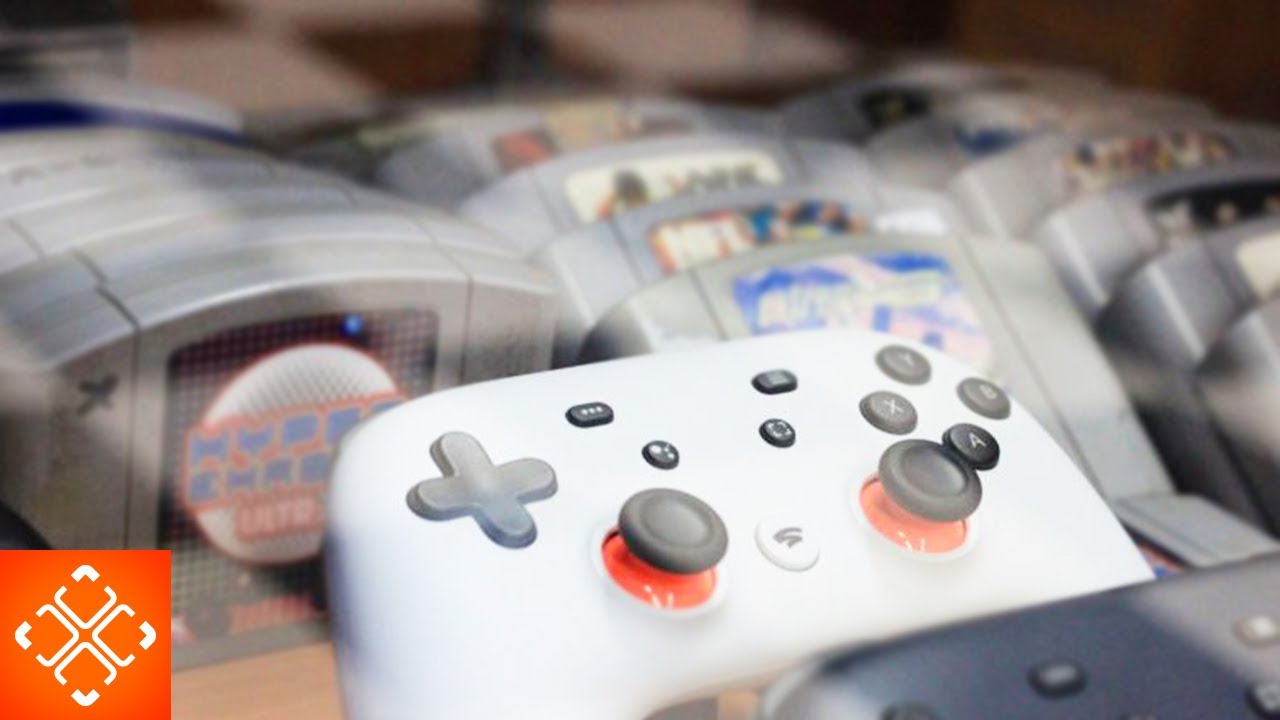
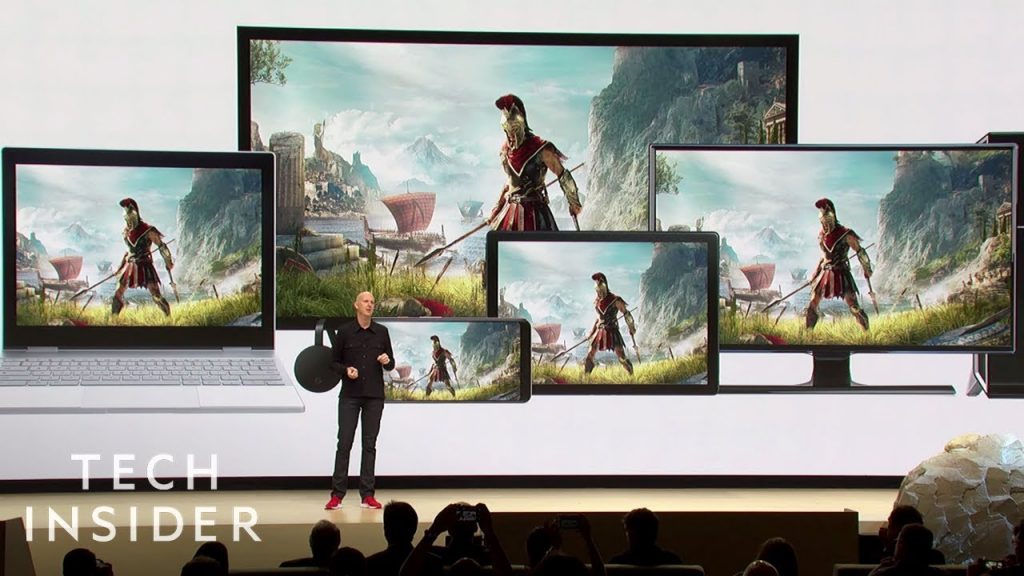
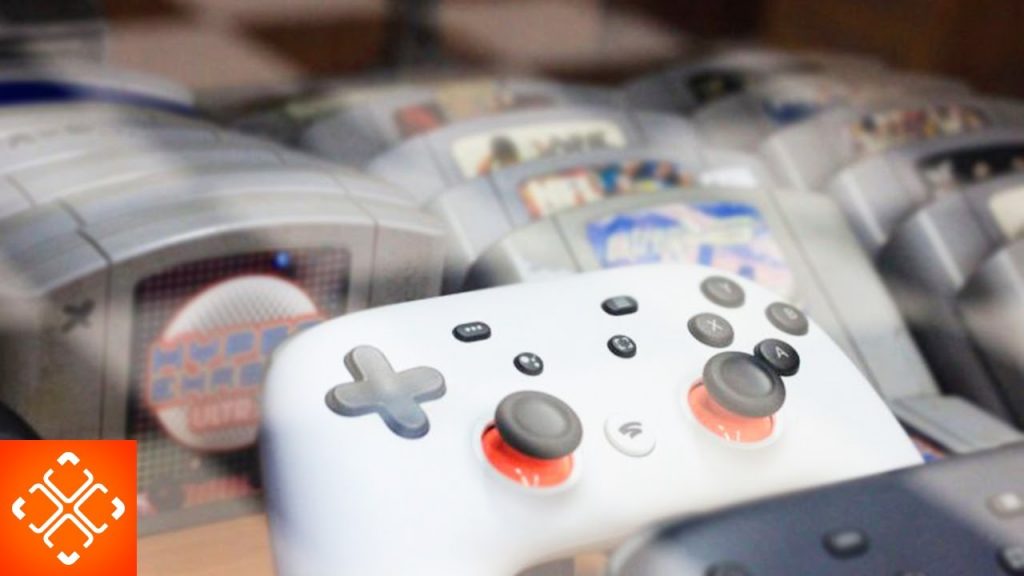
When Google flipped the switch on Stadia on November 19, 2019, vice president and GM Phil Harrison called it nothing less than the future of gaming — a cloud platform that would beam AAA titles straight from Google’s data centers to your TV, PC, or phone, no $500 box required. Four months later, that promise looks a lot shakier than the pitch. TheGamer’s video “What Happened To The Stadia?” digs into why a platform sold as a Netflix-for-games moment instead became a case study in launch-day disappointment.
- Stadia launched requiring full-price game purchases on top of an optional $9.99/month Stadia Pro subscription, rather than the all-you-can-play model many expected.
- Core features were missing at launch, including direct YouTube streaming, Google Assistant support on the controller, non-Pixel mobile compatibility, and consistently true 4K/60fps output — streams were often upscaled from lower native resolutions with noticeable input lag.
- Early 2020 brought a widely noted 40-day stretch with no new game releases or announcements, deepening community frustration over Google’s silence.
The Launch That Undersold Its Own Pitch
Stadia’s whole sales pitch was ditching hardware — stream Assassin’s Creed Odyssey or Mortal Kombat 11 on a phone with no console, no download, no patch cycle. Instead of leaning into a subscription-first model that would have made that pitch feel revolutionary, Google asked players to buy games at the same retail price as Xbox or PlayStation, then layer a $9.99 monthly fee on top just to unlock 4K streaming and a free game or two. For a service billed as the next step past traditional consoles, that structure looked less like Netflix and more like paying twice for the same shelf of games.
Missing Features Piled Up Fast
The technical shortfall made things worse. Google had marketed Stadia’s headline capability as true 4K at 60 frames per second, but plenty of players reported streams that were upscaled from lower native resolutions, paired with input latency that undercut the whole premise of instant, console-free play. Add in the absence of direct YouTube streaming, a Google Assistant button on the controller that didn’t actually do anything for months, and zero support for non-Pixel Android phones, and the “future of gaming” pitch started collecting an unusually long list of asterisks for a platform that was supposed to be simpler than a console, not more complicated.
Google billed Stadia as the future of gaming — then went 40 days without adding a single new title to the catalogue.
The Silence That Followed
That 40-day gap without a new release or even an announcement became the moment Stadia’s early adopters stopped giving Google the benefit of the doubt. A cloud platform lives or dies on its catalogue, and a stagnant one with no communication from the top is exactly the kind of thing that turns early buyers into vocal critics on forums and social media. It’s the same pattern that’s dogged other ambitious tech launches covered in the latest gaming news — big promises up front, then a quiet period where the platform has to prove it wasn’t a one-and-done stunt.
Google’s Attempt at a Reset
Facing that backlash, Google pushed back with numbers: a pledge of more than 100 game releases across 2020, a commitment to at least 10 timed exclusives by mid-year, and the formation of first-party development studios under industry veteran Jade Raymond to build content nobody else could offer. It’s the same playbook other platform holders have used to build long-term goodwill — invest in exclusives, not just marketing — and it’s worth watching how Google’s approach here stacks up against the kind of first-party pushes detailed in Google’s own gaming coverage.
Whether that turns Stadia around comes down to whether Jade Raymond’s studios can actually ship something worth logging in for. Ten timed exclusives by the middle of 2020 is a specific, checkable promise — and after a 40-day silence that nearly killed the platform’s credibility with its earliest buyers, it’s the number Google now has to hit.

How I got RICH playing Fortnite!
5 Reasons You Should Buy Xbox One Instead of PlayStation 4 in 2019 | PS4 vs Xbox 2019
7 Habits Only LATE NIGHT Gamers Have
RESIDENT EVIL 3 Remake Gameplay Demo Trailer (2020)
SnowRunner Review