

 InfoSearched
Sony’s headset just turned three, and the question every PS4 owner keeps asking is whether it’s still worth the plug-in.
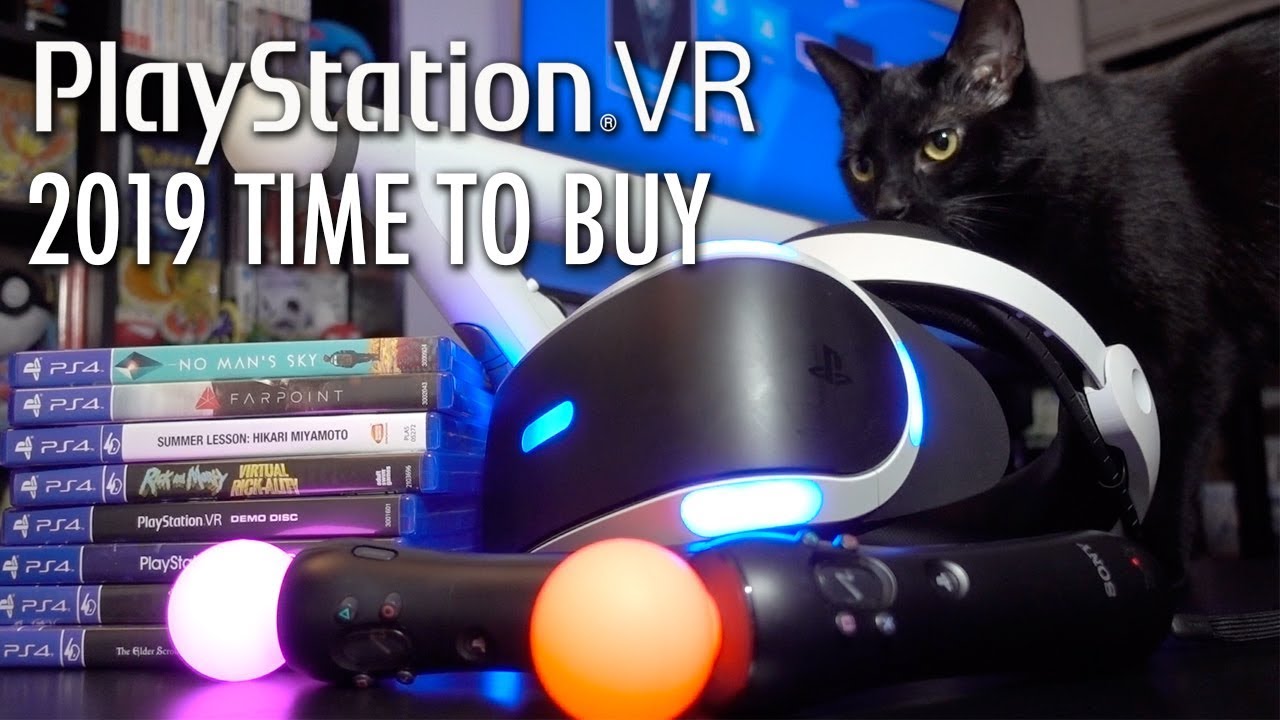
PlayStation VR launched in October 2016 as the budget-friendly answer to PC-tethered headsets costing twice as much, and by early 2019 Sony had moved more than 4.2 million units. In his retrospective breakdown “Why You Should (And Shouldn’t) Buy PlayStation VR in 2019,” YouTuber Mystic walks through what still works about the device and what’s started to show its age now that Oculus has put a standalone headset on shelves. The verdict isn’t simple, because PSVR’s biggest strength — its library — is fighting against hardware that hasn’t meaningfully changed since launch day.
- PSVR had sold over 4.2 million units by early 2019, with bundle pricing bringing the entry cost down to roughly $200–$300.
- The library includes Astro Bot Rescue Mission, Resident Evil 7: Biohazard, Beat Saber, Superhot VR, Blood & Truth, and Creed: Rise to Glory.
- Sony had already confirmed the next-generation PlayStation console would support VR, raising the question of hardware obsolescence for anyone buying in now.
The Case for Buying In
Mystic’s strongest argument is simple math: tens of millions of people already own a PS4, and PSVR turns that console into a VR headset without anyone needing to build a gaming PC. With frequent bundle deals, the all-in cost by 2019 had dropped to around $200–$300, a fraction of what a comparable PC VR rig demands once you add the headset, sensors, and a graphics card capable of pushing the frame rates VR requires.
The hardware itself still holds up in one specific way — comfort. The “halo” headband design rests weight on the forehead and back of the skull rather than clamping around the face, which lets players sit through longer sessions without the fatigue that plagues some rival headsets. Pair that with a genuinely mature software catalog — Astro Bot Rescue Mission, Resident Evil 7: Biohazard, Beat Saber, Superhot VR, Blood & Truth, and Creed: Rise to Glory all get named as standouts — and Mystic’s point is that PSVR’s software lineup is deeper than what most competitors had assembled by 2019. Cinematic Mode for playing flat-screen games on a virtual big screen and the Social Screen feature for local multiplayer add extra utility that a lot of buyers overlook.
Hardware Components Showing Increasing Age
The tracking setup is where Mystic’s praise runs out. PSVR relies on a single PlayStation Camera using visible-light tracking, and that setup suffers from noticeable drift, a cramped tracking volume, and occlusion problems the moment a player turns away from the camera. It’s a limitation baked into the original 2016 design, and three years on, it hasn’t been revised.
The controllers compound the issue. PlayStation Move wands, repurposed from a 2010 motion-control accessory, have no analog sticks, which makes free locomotion in more complex VR titles clunky compared to headsets built with dedicated VR controllers from the ground up. Add a 1080p single OLED panel that produces a visible screen-door effect next to newer displays, plus the cable clutter and external processor box every PSVR setup requires, and the picture is a headset that was competitive in 2016 but is running on borrowed time against 2019 standards.
Sony has already confirmed the next PlayStation console will support VR — so anyone buying PSVR hardware today is buying into a headset with a known expiration date.
The Looming Question of Next-Gen VR
That confirmation from Sony is the wrinkle that colors every other point in the video. Knowing that VR support is coming to the next-generation PlayStation console changes the calculus for a buyer weighing $250 against the games they’ll actually get to play. Anyone curious about where that hardware conversation is heading can find more detail in coverage like the breakdown of the PS5’s SSD and what it changes for next-gen gaming, or the running roundup of PS5 rumors circulating around Sony’s new hardware plans.
For players who want a taste of what tracking-free, controller-native VR locomotion can feel like on higher-end setups, there’s also a useful point of comparison in the immersive VTOL VR flight-sim breakdown, which shows just how far controller design has moved since PSVR’s 2016 Move wands.
Mystic’s bottom line isn’t a flat yes or no — it’s that Creed: Rise to Glory alone is worth the price of admission if you’ve got the space to throw punches without clipping your TV, but if you’re on the fence, the smart move might be waiting to see exactly how Sony implements VR on its next console before dropping $250 on a headset that’s already been given a retirement date.


Mortal Kombat 11 – Official Spawn Gameplay Trailer
Watch This Before You Sign Up For Google Stadia
Rainbow Six Siege: The Tournament of Champions – Six Invitational 2020
Top 20 PlayStation VR Games | May 16, 2019
10 GRAPHICS MODS That Drastically Improve Games