

 InfoSearched
Cloud gaming didn’t start with Google Stadia — and you don’t have to wait until November to try it.
Stadia’s rollout has dominated gaming headlines for months, promising to let players stream blockbuster titles to a phone, laptop, or Chromecast without a console in sight. But Google’s service isn’t shipping until later this year, and a handful of streaming platforms have already been solving the same problem — no expensive rig required. PCGamesN rounded up seven of them in “7 Google Stadia alternatives you can game on right now,” and the list makes clear that cloud gaming is a lot more mature than the Stadia hype cycle suggests.
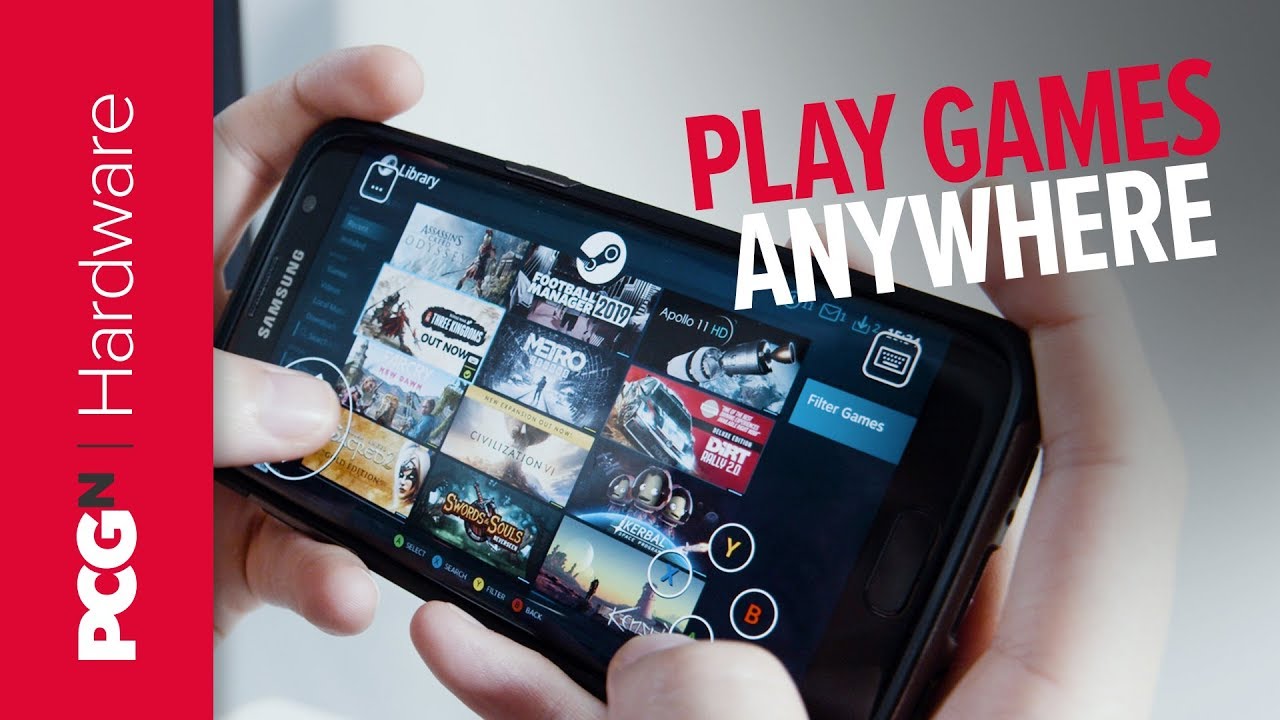
- NVIDIA GeForce Now streams users’ existing Steam libraries in free beta on PC, Mac, and NVIDIA Shield without requiring anyone to repurchase games.
- Sony’s PlayStation Now streams and downloads hundreds of PS4, PS3, and PS2 titles directly to PS4 consoles and Windows PCs.
- Blade’s Shadow rents out a full remote Windows 10 cloud PC that can stream any PC game or application to phones, PCs, and Macs — not just a curated library.
The Library-First Approach: GeForce Now and PlayStation Now
NVIDIA’s pitch with GeForce Now is simple: you already own the games, so why buy them again? The service, still in free beta at the time, pulls from a user’s existing Steam catalog and streams it to whatever screen is in front of them — desktop, laptop, or an NVIDIA Shield box hooked up to a TV. It’s the closest thing to a no-strings-attached alternative to Stadia’s model, since there’s no new storefront to navigate and no fresh purchases required.
PlayStation Now takes a different route but solves a similar problem for console loyalists. Sony’s service streams and downloads hundreds of PS4, PS3, and PS2 games to a PS4 or a Windows PC, giving subscribers a back-catalog vault rather than a day-one release schedule. For anyone who’s missed a generation or two of PlayStation exclusives, it’s effectively rental access to console history without buying discs or hunting down old hardware.
Renting the Whole PC: Shadow’s Full-Machine Model
Shadow, from French company Blade, skips the shared-library model entirely and instead hands subscribers a dedicated, high-end Windows 10 machine sitting in the cloud. Because it’s a full PC rather than a curated game list, it can run literally anything a subscriber installs — any PC game, any launcher, any application — and stream it to mobile devices, PCs, and Macs alike. That flexibility comes at the cost of needing a beefier internet connection to keep the remote desktop feeling responsive.
Shadow doesn’t stream a library — it streams an entire high-end Windows 10 PC to whatever screen you’re holding.
Home Networks and Peer-to-Peer Streaming
Not every alternative on the list depends on a data center. Valve’s Steam Link, once a standalone hardware box, has shifted into software that streams games from a local host PC to phones, tablets, and smart TVs over a home network — no subscription fee involved, since it leans on hardware players already own. Parsec offers a similar remote-desktop approach built with low-latency multiplayer and co-op sessions in mind, letting friends jump into a host’s PC games from anywhere. Moonlight, an open-source client built around NVIDIA’s GameStream tech, rounds out the local-streaming options for anyone with an NVIDIA graphics card already sitting in their tower.
On the subscription side, Vortex and LiquidSky offer smaller-scale cloud rigs aimed at players who don’t want to invest in local hardware but also aren’t ready to commit to the bigger names. Across the whole comparison, the same tensions keep showing up: how much latency a player can tolerate, how much bandwidth their connection can actually deliver, and whether a monthly fee ends up cheaper than a graphics card over time.
Repurchasing Games vs. Streaming What You Own
The biggest dividing line in the alternatives isn’t price — it’s ownership. GeForce Now and Steam Link both let players stream games already sitting in a Steam library, while services like PlayStation Now and Shadow are built around what the platform provides, whether that’s Sony’s back catalog or a blank Windows 10 install ready for anything a subscriber wants to load onto it. That distinction matters more for cloud gaming than it does for a console launch, since Stadia’s own model — buying games through Google’s storefront — is exactly what platforms like GeForce Now are positioned against.
Anyone curious about how Stadia itself eventually fared against this crowded field of alternatives can find that story laid out in What happened To The Stadia?, while readers tracking the console side of the streaming conversation might also want to check out The Truth About Xbox Series X for where Microsoft’s own hardware plans stood at the time.
None of these seven services need Stadia to exist, and that’s the point — GeForce Now’s beta, PlayStation Now’s console-quality back catalog, and Shadow’s full remote PC were all up and running months before Google’s November launch date, giving anyone impatient enough a way to stream games tonight instead of waiting for the fall.




PC Gaming 750-800€ GTX 1660 – 8 GIOCHI PROVATI!
PS4 “DAYS OF PLAY” Console Unboxing (2019) Playstation 4 Limited Edition Steel Black
Mortal Kombat 11 – Official Spawn Gameplay Trailer
10 Genius Shortcuts To Beat Video Games Early
ADDICTING App Games (My Current Favorites)