

 InfoSearched
Sony’s cheapest ticket into virtual reality is also its clunkiest, and Austin Evans wants to know if that trade-off still pays off.
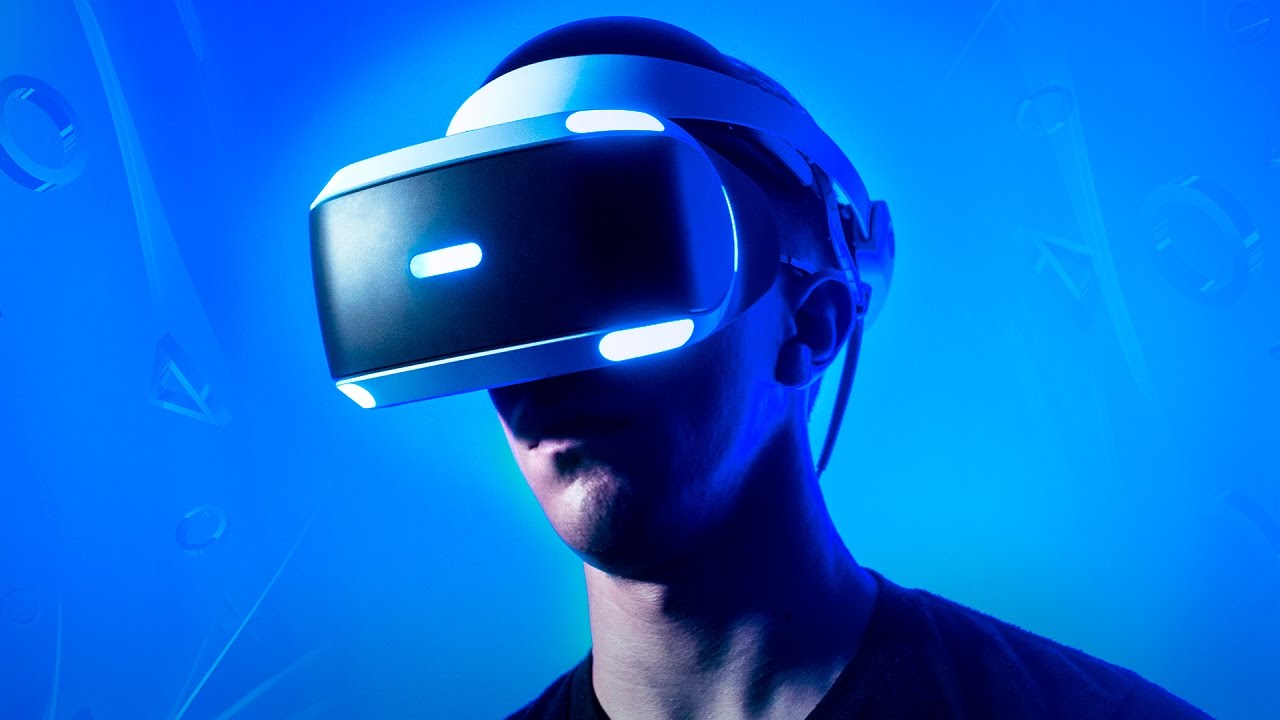
Four years after PlayStation VR first hit shelves, Austin Evans revisits Sony’s headset with a straightforward question: does the lower price tag make up for the dated tech underneath? In “Is PlayStation VR Worth It?”, Evans breaks down the design, the tracking, and the software library against a market that now includes far more capable PC-based rivals.
- PlayStation VR runs $399 at retail, or more in bundles that add the required PlayStation Camera and PlayStation Move controllers — no gaming PC needed since the PS4 handles all the processing.
- The headset’s OLED panel delivers a 1080p RGB display at 960×1080 per eye, capable of running up to 120Hz — praised for comfort and weight balance, but paired with a multi-cable external breakout box that Evans flags as a hassle to set up.
- Tracking still relies on the visible-light PS Camera rather than infrared or inside-out sensors, which Evans notes makes Move controller tracking prone to drift and occlusion compared to modern systems.
Comfort Undercut by Cable Clutter
Evans starts where most reviewers do: how the thing actually feels on your face. The PSVR headset earns real praise for its weight distribution, thanks to a halo-style headband that rests the bulk of the load on the forehead and back of the skull rather than clamping down on the nose — a design choice that’s aged better than most of the internals. But that comfort comes wrapped in a rat’s nest of wiring. Between the HDMI and USB runs to the console, the connection to the external breakout box, and the separate camera cable, getting PSVR set up and tucked away neatly is its own small project before a single game loads.
Tracking That Time Forgot
The bigger technical gap Evans zeroes in on is tracking. PlayStation VR still leans on the PS Camera’s visible-light tracking to follow the headset and the PlayStation Move wands, a method that was already looking dated next to the infrared and inside-out tracking used by PC headsets built for room-scale VR. When a Move controller drifts out of the camera’s line of sight — reaching behind your back, say — tracking can stutter or drop entirely, something that rarely happens on more modern rigs.
The headset is comfortable enough to forget you’re wearing it — right up until you have to untangle the cable running to it.
The Software Library Carries It
What keeps PSVR relevant, according to Evans, is the exclusive lineup. Resident Evil 7: Biohazard in VR turns an already tense survival-horror game into something considerably harder to sit through, Astro Bot Rescue Mission is frequently cited as the platform’s best showcase for what the hardware can actually do, and Superhot VR remains one of the sharpest pure VR concepts on any platform, PSVR included. That trio does a lot of heavy lifting in the “worth it” argument, giving PS4 owners access to experiences they can’t get by upgrading their PC instead.
Weighing It Against the PC Alternatives
Set against the Oculus Rift and HTC Vive, the math changes. Those headsets demand a capable gaming PC on top of their own hardware cost, often pushing the total investment well past what a PS4 owner pays for a PSVR bundle. Evans’ verdict leans on that gap: for players already sitting on a PS4 or PS4 Pro, PSVR is the far cheaper on-ramp into VR, even if the tracking and resolution can’t touch what a higher-end PC setup delivers. It’s a budget play, not a top-shelf one, and Evans frames the decision around whether that trade-off — Resident Evil 7 and Astro Bot now, versus sharper tracking later — is the one you actually want to make.




Baldur’s Gate 3 – Official Opening Cinematic in 4K
Xbox Update June 2021 | Xbox & Bethesda Games Showcase, New Releases, New Game Pass Titles + MORE
Sony Once Again Sets the Example With Death Stranding | This is What Risk Taking Looks Like
Top 10 BEST NEW Upcoming Games of 2020 | PC,PS4,XBOX ONE (4K 60FPS)
This Realistic Action-Adventure Game Was Ahead Of It’s Time…