

 InfoSearched
Google says it just made buying a next-gen console pointless.
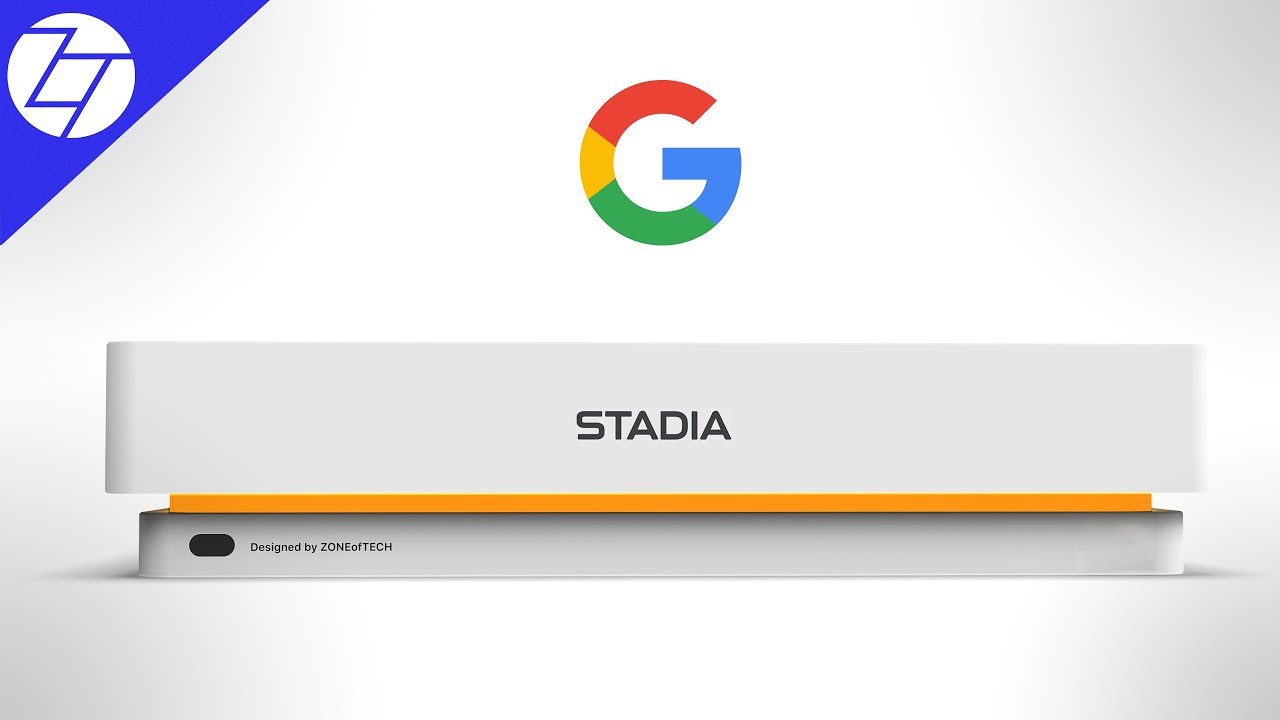
Months before Sony or Microsoft had shown a single frame of PS5 or Project Scarlett gameplay, Google walked onto the stage at the 2019 Game Developers Conference and announced Stadia — a cloud platform that streams games straight to a TV, a laptop, or a phone with no box under the television at all. The pitch was simple and aggressive: why spend $500 on hardware that’s obsolete in five years when Google’s server farms can just do the rendering for you? ZONEofTECH’s breakdown digs into whether that promise actually holds up against the specs Sony and Microsoft are readying for their next-gen machines.
- Google announced Stadia server blades running custom AMD GPUs rated at 10.7 teraflops — more raw graphical compute than the PS4 Pro (4.2 teraflops) and Xbox One X (6.0 teraflops) combined.
- In a GDC demo, Assassin’s Creed Odyssey loaded in roughly 6.6 seconds on Stadia, compared to more than 24 seconds on home console hardware.
- Stadia launched November 19, 2019 requiring about 35 Mbps of steady internet for 4K/60fps with HDR and 5.1 surround, with Stadia Pro priced at $9.99 a month on top of full retail game purchases.
The Teraflop Math Google Put On Stage
Google’s headline number at GDC was straightforward: 10.7 teraflops of compute per Stadia instance, delivered from server-side AMD GPUs rather than anything sitting in a living room. Lined up against the PS4 Pro’s 4.2 teraflops and the Xbox One X’s 6.0 teraflops, Google’s slide did the addition for you — its cloud hardware beat the two most powerful consoles of the previous generation combined, without a console owner having to buy anything new. That framing was aimed squarely at gamers eyeing the PS5 and the next Xbox, suggesting Stadia could leapfrog whatever specs Sony and Microsoft were about to reveal.
No Box, No Load Screen
Because the actual rendering happens inside Google’s data centers, Stadia’s pitch isn’t just about power — it’s about instant access. The Assassin’s Creed Odyssey demonstration became the platform’s signature moment: a 6.6-second load on Stadia against a 24-plus-second wait on console hardware running the same game. Google’s argument is that when the GPU and the storage both live on its network, load times stop being a hardware bottleneck and become a solved problem — a claim that stands in direct contrast to how Sony has framed the PS5’s SSD as its own answer to loading times.
Stadia’s server blades were rated at 10.7 teraflops — more graphical horsepower on paper than a PS4 Pro and an Xbox One X combined.
The Bandwidth Catch
None of that compute matters if the connection drops. Stadia needs a steady internet feed — Google’s own figures put 4K streaming at 60fps with HDR and 5.1 surround sound at around 35 Mbps sustained — and that requirement exposed the platform’s biggest weakness once it actually launched on November 19, 2019. Early hands-on testing turned up latency spikes, compression artifacts that made images look noticeably softer than an uncompressed HDMI feed off a console, and data usage heavy enough to blow through home broadband caps in a matter of hours.
Paying Twice for the Same Game
Consoles still have one advantage Stadia doesn’t touch: ownership. A PS4 Pro or Xbox One X game sits on a disc or a drive, can be resold, and doesn’t disappear if the servers go down. Stadia flips that model — Stadia Pro costs $9.99 a month, but subscribers still pay full retail price for individual games on top of it, with no local copy and no resale value. That’s a tough sell next to the traditional console economy, and it’s the exact tension Microsoft and Sony are both betting against as they finalize their next-gen hardware.
Stadia is already out in the wild while the PS5 and the next Xbox are still specs on a slide, which means Google got a real head start on proving the cloud-gaming case before either console ships. Whether that lead survives contact with actual next-gen hardware is the question Sony and Microsoft get to answer next.









Playing GTA 5 Without Breaking Any Laws!
Call of Duty®: Modern Warfare® | Multiplayer Beta Trailer
The Best Space Games of 2020 – A Look At The Upcoming Titles and Updates
Evil Dead: The Game – Gameplay Overview Trailer | PS5, PS4
Ninja Skin Stays on During Secks