

 InfoSearched
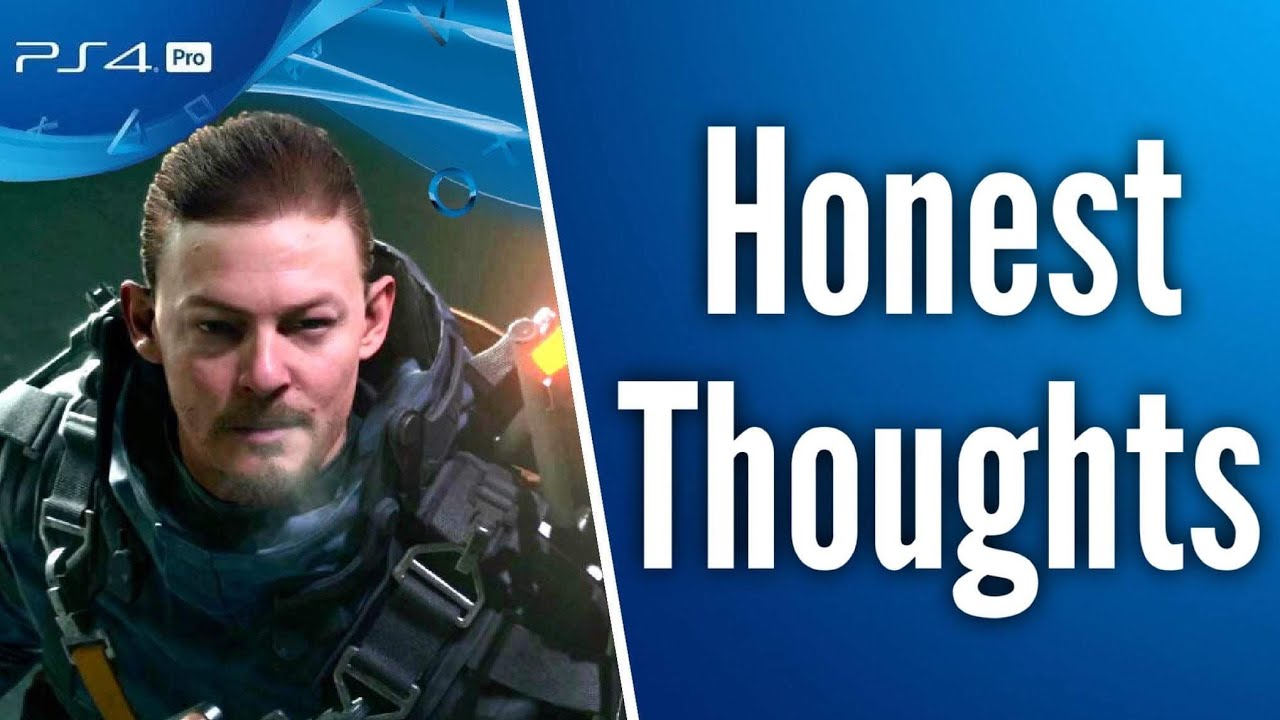
Hideo Kojima’s first game since parting ways with Konami has split the gaming world right down the middle, and one YouTuber just weighed in with an unfiltered progress report.
Death Stranding hit PS4 on November 8, 2019, and it arrived with the kind of pre-launch hype usually reserved for a new Metal Gear Solid entry — because, in a very real sense, that’s exactly the pedigree it’s carrying. Gaming commentator MBG published early impressions of the game just days after launch, framing them explicitly as a progress check rather than a final verdict since there was still a long way to go before the credits rolled. The takeaway so far: this is easily the most divisive release of the year, and MBG has strong opinions about why.
- Death Stranding launched globally on PlayStation 4 on November 8, 2019, built on the Decima engine and led by Norman Reedus as Sam Porter Bridges.
- The cast includes Léa Seydoux as Fragile and Margaret Qualley as Mama, with Hollywood-caliber performances anchoring a dense, cryptic story.
- Gameplay centers on cargo balancing, footing management, and route planning across hazardous terrain while avoiding the otherworldly Beached Things, or BTs.
A Strand Game, Not a Shooter
MBG went in as a longtime Metal Gear Solid fan with high hopes, and the first thing that stood out was just how little Death Stranding resembles a conventional AAA release. Kojima has called this a “strand game,” a genre he’s essentially inventing on the fly, built around isolation, delivery logistics, and reconnecting a fractured America rather than gunplay or stealth takedowns. There’s combat and there are enemies, but the actual verb players spend most of their time performing is walking — carefully, deliberately, with a stack of cargo strapped to Sam’s back that can tip him over if he doesn’t manage his footing.
That traversal-first design is the game’s biggest swing and, according to MBG, its biggest reward. Crossing a rushing stream or picking a line down a rocky mountainside becomes genuinely tense when one wrong step means scattered packages and a long walk back. It’s a loop that will frustrate anyone expecting something closer to a traditional action-adventure experience, but MBG argues it produces a sense of accomplishment modern open-world games rarely bother chasing anymore.
The Decima Engine Sells the Apocalypse
Visually, MBG had nothing but praise for how the Decima engine renders this post-apocalyptic United States — the same engine Guerrilla Games used for Horizon Zero Dawn, now repurposed to build an eerie, fog-choked landscape that feels perpetually on the edge of collapse. The atmosphere does a lot of narrative heavy lifting on its own, selling the sense of a broken world before a single line of dialogue explains what happened to it.
Whether you’re navigating treacherous terrain, outsmarting ruthless enemies, or simply struggling to keep your cargo intact, Death Stranding manages to make even the most mundane tasks feel incredibly compelling.
That’s the crux of MBG’s early verdict: a game built on delivery runs and mud-slogging shouldn’t work this well, yet the mood it creates is immersive enough to carry the repetition. It’s the kind of atmosphere-first commitment that echoes other post-apocalyptic titles MBG has praised for leaning into mood over spectacle rather than chasing the same open-world formula everyone else is running.
Norman Reedus, Léa Seydoux, and a Cast That Carries the Cryptic Story
Beyond the mechanics, MBG singled out the ensemble as one of Death Stranding’s strongest assets. Norman Reedus anchors the game as Sam Porter Bridges, a courier hauling cargo across a shattered America, while Léa Seydoux’s Fragile and Margaret Qualley’s Mama bring Hollywood-level presence to a story that otherwise leans heavily on cryptic exposition and Kojima’s signature information dumps. The performances give the player something to hold onto even when the plot itself gets dense and hard to track.
MBG doesn’t pretend the writing is airtight — some of the terrain navigation and enemy encounters can feel clunky, and the story’s twists demand patience — but the character work is consistently cited as a reason to keep pushing forward through the slower stretches.
The Verdict So Far
MBG’s bottom line after the opening hours: Death Stranding won’t convert players who wanted Kojima’s next Metal Gear Solid or a straightforward action game, and the repetitive delivery structure will genuinely alienate some of that audience. But for anyone willing to meet the game on its own terms, the traversal, the atmosphere, and the cast combine into something that feels deliberately, almost stubbornly different from everything else on shelves — the kind of experimental swing that Kojima Productions clearly built the studio to take.

How Much Better Is Sonic’s Redesign? Head to Head Comparison! (Sonic the Hedgehog Movie)
Top 15 NEW PS5 Games From Sony Event
5 ULTIMATE Ways To Improve Your GAMING SETUP 2019! ???? | BEST Gaming SETUP HACKS 2019 (Simple Guide)
Evil Dead: The Game – Gameplay Overview Trailer | PS5, PS4
Sony Confirms More Studio Acquisitions | PS4 Is the 2nd Best Selling Console of All Time