

 InfoSearched
Analog static is dead, and Ed Ricker just watched it happen in real time.
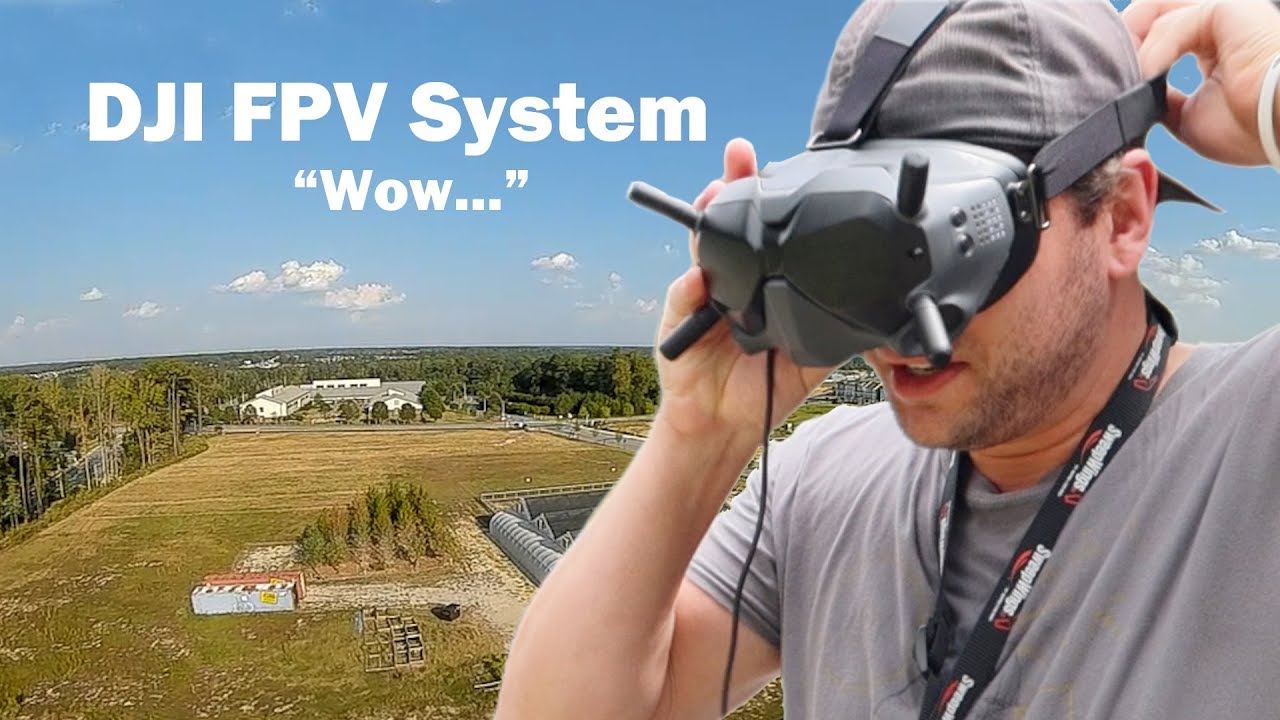
Ricker Life FPV’s Ed Ricker put DJI’s new Digital FPV System through its paces for a first-look review, and the verdict lands early: this is the biggest jump in first-person-view drone technology since the hobby went airborne. DJI’s digital ecosystem, which officially launched in late July 2019, replaces the grainy analog static that FPV pilots have tolerated for years with a crisp, low-latency HD feed piped straight into the goggles. Ricker’s flight test walks through exactly what changes when you strap that system to a quad and take off.
- The DJI Digital FPV System streams 720p footage at 120 frames per second to the FPV Goggles with end-to-end transmission latency as low as 28ms and a range up to 2.5 miles (4 km under FCC rules).
- DJI sells it in two bundles: the Fly More Combo (around $929) with goggles, FPV Air Unit, 150-degree camera, and the dedicated FPV Remote Controller (7ms control latency), and the Experience Combo (around $819) with two Air Units and cameras but no controller.
- The Air Unit records 1080p at 60fps onboard to microSD, while the goggles simultaneously record 720p at 60fps for instant playback, and the system runs 8 separate transmission channels to avoid interference during group flights.
Ricker’s Observations Through The Goggles
Ricker’s central takeaway is the clarity difference the moment you put the goggles on. Traditional analog FPV gear has always fought a losing battle with signal noise — static, rainbow banding, and dropout the second a pilot pushes range or ducks behind an obstacle. DJI’s digital pipeline, running at 720p/120fps into the headset, gave Ricker a feed clean enough to spot tree branches, wires, and gaps at speed with none of the visual “gunk” analog pilots have learned to fly around instinctively.
Part of that resilience comes from Focus Mode, which prioritizes bitrate in the center of the frame the instant the signal starts to degrade. Instead of the entire picture breaking up into blocky noise, the pilot’s direct line of sight stays sharp while the edges of the frame take the quality hit — a deliberate trade-off DJI built specifically for racing and freestyle, where losing the center of your view for even a half-second is how quads end up in trees.
28 milliseconds of latency, a 720p/120fps feed, and a 2.5-mile range — numbers that would have sounded like science fiction to analog FPV pilots a year earlier.
The Hardware Behind the Combos
DJI split the system into two purchasing paths, and Ricker’s review breaks down why the distinction matters. The Fly More Combo bundles the goggles, the FPV Air Unit with its ultra-wide 150-degree lens, and the dedicated FPV Remote Controller, which DJI rates at control latency as low as 7ms — critical for pilots doing tight freestyle or racing gates. The Experience Combo drops the controller but doubles up on Air Units and cameras, aimed at pilots who already own a transmitter they like and just want the digital video side of the equation.
On the recording side, the onboard Air Unit captures 1080p at 60fps to a microSD card mounted on the aircraft, giving pilots a full-quality backup file independent of the transmitted signal. The goggles themselves record a 720p/60fps version of exactly what the pilot saw in real time, which makes instant flight review possible without pulling a card at all — something analog setups, dependent on separate DVR add-ons, never handled this cleanly.
The Cost of Entry
Ricker doesn’t dodge the elephant in the room: this gear is expensive relative to a traditional analog loadout, and at $819–$929 depending on the bundle, DJI’s Digital FPV System asks pilots to weigh cost against a genuinely transformative jump in immersion. For pilots coming from immersive hardware in other corners of gaming — the kind of leap reviewers chase when testing something like a VR flight sim — the comparison tracks: you’re paying for presence, not just resolution.
Whether that price holds up depends on what a pilot is doing with it. For racers chasing split-second reaction time, the 8 simultaneous transmission channels solve a real problem — cross-channel interference has ended more heats than crashes have. For freestyle flyers, the appeal is closer to what drives people to upgrade any display-based setup, the same instinct that pushes sim racers and streamers toward gear like the Samsung Odyssey G9 — once you’ve seen the clearer picture, going back feels like a downgrade.
Ricker’s bottom line after the flight: analog isn’t obsolete overnight, plenty of pilots will keep flying it for years on cost alone, but anyone who straps on the DJI goggles and flies a lap with Focus Mode holding the center of the frame together is going to have a hard time un-seeing what digital HD FPV looks like.





Phil Spencer On Working With Sony And Competing With Google Stadia
Unboxing the Xbox One X Gears 5 Limited Edition Bundle
PlayStation Plus Monthly Games – August 2019
This video will make you want to play Rainbow Six Siege
GHOST RECON BREAKPOINT Gameplay Walkthrough Part 1 BETA [1080p HD 60FPS PC] – No Commentary