

 InfoSearched
PC survival fans have spent the past three years watching one indie project inch closer to release, and by July 2020 it’s the one they can’t stop talking about.
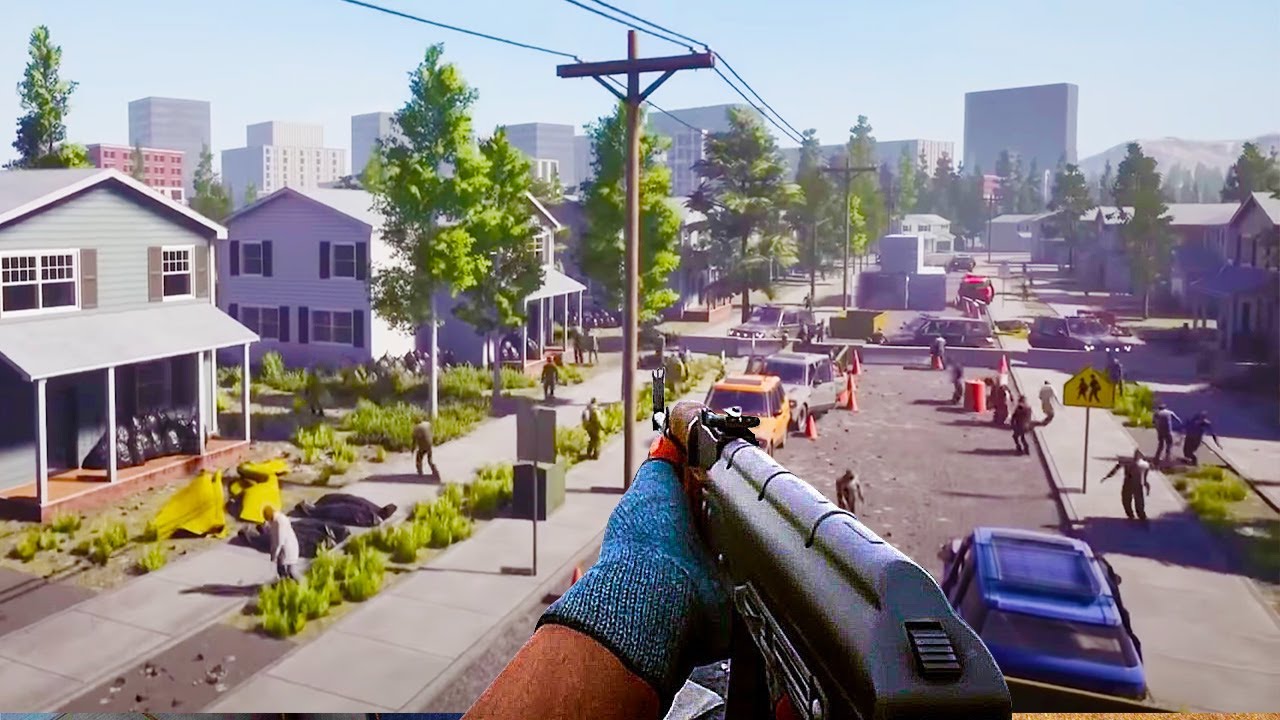
Dead Matter has spent years building a reputation as the survival sandbox other developers get compared to. QI Software’s post-collapse take on Alberta is the subject of gameranx’s latest breakdown, and the pitch is straightforward: a zombie apocalypse with almost no hand-holding, built by a small Calgary studio that funded the whole thing through crowdfunding rather than a publisher check.
- Dead Matter began as a successful Kickstarter in August 2017, raising over $750,000 CAD before QI Software launched a follow-up Indiegogo campaign to keep development funded.
- The game recreates a virus-ravaged, fictionalized version of Alberta, Canada, spanning the Kananaskis Valley, Canmore, Banff, and the surrounding Rocky Mountain wilderness.
- Up to eight players can team up in PvE or compete in PvP, scavenging, crafting, and fortifying existing buildings against zombie hordes.
A Kickstarter Project That Refused to Stay Small
Dead Matter’s origin story is the classic crowdfunded-indie arc, except it hasn’t stalled out the way so many similar campaigns do. QI Software launched the Kickstarter in August 2017 and cleared over $750,000 CAD from backers convinced enough by early footage to fund a zombie survival game with no major publisher attached. When that money wasn’t enough to cover the studio’s ambitions, QI Software went back to the well with an Indiegogo campaign rather than scaling down the design.
That funding path matters because it’s shaped what the studio has actually shipped in updates leading into mid-2020: a steady drip of development videos rather than marketing fluff, each one aimed at the PC survival audience that backed the project in the first place.
Rebuilding Alberta as a Killing Ground
Instead of inventing a generic post-apocalyptic map, QI Software chose to recreate a fictionalized slice of its own backyard. The setting pulls from the Kananaskis Valley, Canmore, Banff, and the surrounding Rocky Mountain wilderness, reimagined as a virus-devastated sandbox overrun by the infected. It’s a deliberate departure from the strip-mall Americana that dominates most zombie games, and it’s part of why Dead Matter has drawn comparisons to genre heavyweights among players following games like BioMutant and other survival-focused sandboxes.
Farming loops, dynamic weather, and shifting seasons all sit on top of that geography, meaning hunting and foraging aren’t optional side content — they’re how a player stays alive between supply runs.
Survival Mechanics Built for Realism Over Convenience
The health system is where Dead Matter separates itself from arcade-style survival games. Players manage blood loss, fractures, illness, and nourishment individually rather than through a single health bar, all organized through a grid-based inventory with dedicated equipment containers. It’s simulator-adjacent design, closer in spirit to titles that reward players for slowing down and reading their character’s condition than to a run-and-gun shooter.
One gunshot doesn’t just drop a zombie — it summons every infected within earshot.
That single mechanic reshapes how firefights play out. Ballistics attract massive swarms, so the safer, smarter approach is stealth and melee, saving bullets for moments with no other way out — a tension players of games like Stranded Deep will recognize from other survival titles built around scarcity rather than firepower.
Fortification, Vehicles, and What’s Left of Civilization
Base building in Dead Matter isn’t the freeform construction-set approach popularized by other survival games. Players instead claim, defend, and barricade existing procedural buildings and residential structures, complete with functioning electrical and power grid systems that have to be restored or rerouted. Repairable four-wheeled vehicles round out the loop, requiring fuel and ongoing maintenance rather than functioning as infinite-use getaway cars.
Taken together, the fortification, medical, and vehicle systems are what QI Software has leaned on hardest in its development updates through mid-2020 — proof, to the backers who funded it, that the ambition from the original Kickstarter pitch hasn’t been quietly walked back.
Future Strategic Development Plans
By early July 2020, Dead Matter stood as one of the most heavily anticipated indie survival games on PC, with a Closed Alpha testing phase the next real checkpoint for backers who’ve waited since that August 2017 Kickstarter. Whether QI Software’s small team can hit that milestone on schedule is the question every one of those backers is actually asking, not whether the zombies look scary enough in a trailer.





FIFA 20 – Official Volta Gameplay Trailer | PS4
MODERN WARFARE – BATTLE ROYALE WARZONE GAMEPLAY LIVE!
Top 10 NEW OPEN WORLD Upcoming Games of 2019 & 2020 | PC,PS4,XBOX ONE (4K 60FPS)
Stranded Deep – Official Launch Trailer | PS4
Sequel to The Legend of Zelda: Breath of the Wild – First Look Trailer – Nintendo E3 2019