

 InfoSearched
The grind behind the joystick is starting to look a lot like the grind behind the goal line.
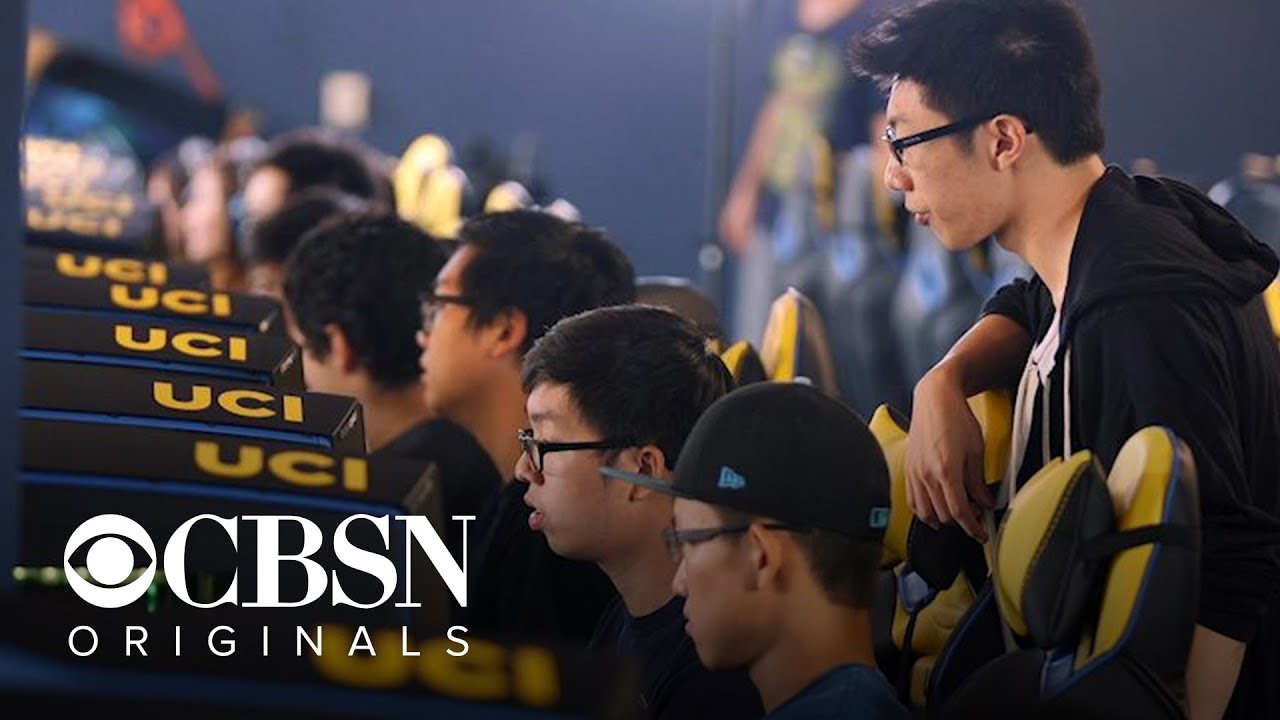
A CBS News feature, “Esports: Inside the relentless training of professional gaming stars,” pulls back the curtain on what it actually costs to make a living playing video games at the highest level. Esports has spent the better part of a decade posting double-digit growth, complete with Olympic-recognition talk, college scholarships, and travel schedules that rival any pro sports circuit. But the report makes clear that the same money and structure fueling that growth are also grinding down the young players inside it.
- Esports has expanded into high school clubs, college scholarship programs, and Olympic-recognition discussions as its following has grown.
- Pro players routinely train and compete for 10 to 14 hours a day, a workload the report ties directly to early burnout, chronic fatigue, and repetitive-stress injuries like carpal tunnel syndrome and wrist damage.
- Organizations are countering the toll with structured regimens: physical conditioning for cores, forearms and posture, regulated nutrition to stabilize blood sugar, and sports psychologists brought in to manage competitive anxiety and “tilt.”
A Career That Peaks Before Most People Graduate College
The report frames esports the way you’d frame any physically demanding sport with a short competitive window — except the athletes here are often teenagers, and the retirement age is brutally young. Players are earning real professional salaries, touring internationally, and building careers most gamers only dream about, but the report notes that the grueling hours typically push them out of top-level competition by their mid-twenties. That’s a career arc closer to gymnastics than to the traditional pro leagues fans grew up watching.
The Physical Toll of Sitting Still
It sounds counterintuitive — how does staring at a screen wreck a body the way contact sports do? The report answers that directly: 10 to 14 hours a day of intensive screen time and repetitive motion adds up to the same kind of wear-and-tear injuries seen in manual labor. Carpal tunnel syndrome and wrist injuries show up again and again among pro players, and chronic fatigue compounds on top of it. The strain isn’t from impact, it’s from repetition, thousands of the same micro-movements executed at competitive speed day after day.
The demands of professional gaming can force players into retirement by their mid-twenties — years before most careers even hit their stride.
Building an Athlete’s Regimen Around a Keyboard and Mouse
The response from esports organizations, as the report details, has been to start treating players like the athletes they’ve become. That means physical exercise programs built specifically to strengthen cores, forearms, and posture — the muscle groups that absorb the punishment of marathon scrim sessions. It also means regulated nutrition plans designed to stabilize blood sugar so players can sustain cognitive endurance across hours of high-speed decision-making, rather than crashing mid-match. For readers who’ve felt their own reflexes slip after too many back-to-back sessions, as covered in pieces like 7 Habits Only LATE NIGHT Gamers Have, the underlying physiology tracks — fatigue and blood sugar dips hit decision-making long before they show up on a KDA sheet.
The Mental Game Gets a Coaching Staff
Maybe the biggest shift the report highlights is psychological. Sports psychologists are now standard staff for competitive organizations, brought in specifically to help players manage anxiety and what the community calls “tilt” — the spiral of frustration and poor decisions that follows a bad round or a blown lead. It’s the same pressure-management work NFL and NBA franchises have run for decades, just applied to players who are, in some cases, still in high school. The grind culture that games like the ones profiled in 8 Video Games That Punish You For Taking A Break! lean into for engagement is the exact dynamic these psychologists are now paid to counterbalance in a professional setting.
What the CBS segment ultimately captures is an industry mid-correction — chasing Olympic legitimacy and college scholarship money while scrambling to build the athletic infrastructure that traditional sports took a century to figure out. The players are the ones absorbing the gap in the meantime, wrists and sleep schedules first.






New DEADPOOL SKIN Challenges!! (Fortnite Battle Royale)
Death Stranding is Currently Being Torn to Shreds on Metacritic, It Doesn’t Deserve This
Top 10 Best Free Games of 2020
Death Stranding No Longer Listed As PlayStation Exclusive
I bought 18 broken Xboxes – Can I Fix Them and Make Money?