

 InfoSearched
Microsoft’s own gaming boss just admitted the console wars aren’t the only fight left to win.
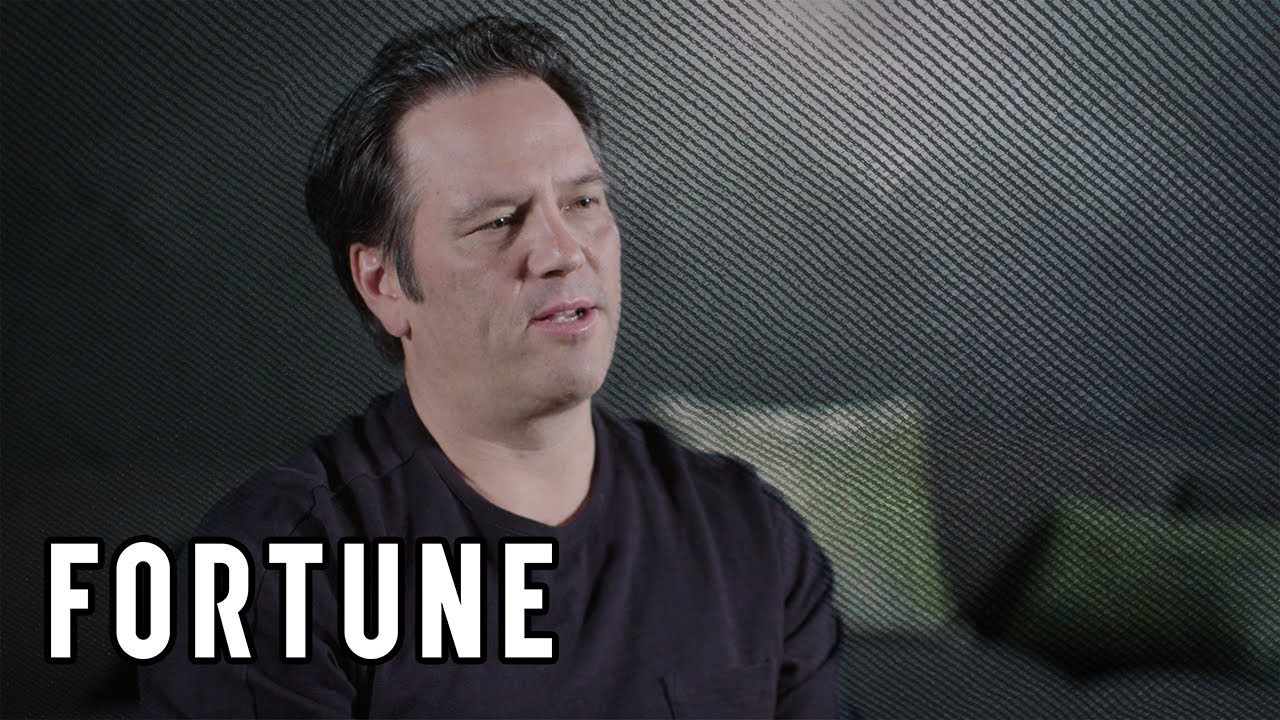
Phil Spencer, the head of Microsoft’s gaming division, sat down with Fortune for a wide-ranging interview published in late July 2019, and the conversation went well beyond the usual Xbox talking points. Spencer addressed the memorandum of understanding Microsoft signed with Sony back in May 2019 to explore joint cloud-streaming solutions built on Microsoft Azure, and he laid out how Microsoft views the arrival of Google Stadia. The through-line was clear: Spencer sees the next fight happening in the cloud, not just on store shelves.
- Microsoft and Sony signed a memorandum of understanding in May 2019 to jointly explore cloud gaming and content-streaming solutions built on Microsoft Azure.
- Spencer framed the Sony alliance around shared infrastructure needs — Sony requires massive global cloud capacity, and Azure already has the enterprise footprint to provide it.
- Spencer pointed to Minecraft, acquired from Mojang, as proof that a Microsoft-owned title can thrive across rival hardware rather than being locked to Xbox.
The Sony Alliance, Explained
The Sony partnership caught plenty of people off guard given the decades of retail rivalry between the two console makers. But Spencer’s explanation in the Fortune interview was practical rather than sentimental: both companies need enormous cloud infrastructure to make streaming and next-generation online services work at global scale, and Azure already has that footprint built out for enterprise customers. Rather than each company building redundant server networks from scratch, the May 2019 memorandum of understanding lets Sony lean on Microsoft’s existing Azure backbone for its own cloud and streaming ambitions.
Spencer was careful to note that this cooperation doesn’t erase the competition at retail. Sony and Microsoft are still fighting over console sales, exclusives, and subscription services. But Spencer’s view, as he described it, is that the two companies share enough common ground on infrastructure that ignoring the opportunity to collaborate would be shortsighted.
Google Stadia and the Cloud Arms Race
Spencer also used the interview to size up Google’s entrance into gaming with Stadia. His argument wasn’t that Xbox needs to out-hardware Google — it’s that streaming games to a global audience requires the kind of multibillion-dollar infrastructure investment that only a handful of companies can actually make. Microsoft’s Azure buildout, in his framing, gives Xbox a structural advantage that a newer entrant like Google Stadia still has to prove it can match at scale.
“We’re both in the gaming business, and so there are places where a collaboration makes sense.”
That’s the same logic Spencer applied to Project xCloud, Microsoft’s own cloud gaming initiative. Rather than treating cloud streaming as a side project, Spencer described it as central to where Xbox is headed next — a bet that owning the pipes matters as much as owning the exclusives. For anyone tracking what happened to Stadia in the years since, Spencer’s comments read now like an early tell that the streaming fight would be decided on infrastructure spend, not marketing splash.
Cross-Platform Play and the Minecraft Blueprint
Spencer pointed repeatedly to cross-network multiplayer as evidence of where Microsoft’s strategy is going. Letting Xbox players connect with friends on PC and on rival consoles, he argued, is about giving gamers the freedom to play the games they want with the people they want, regardless of which box is under the TV. That philosophy traces directly back to Minecraft — a Mojang property Microsoft acquired years earlier that has continued to thrive specifically because it wasn’t walled off to Xbox hardware.
For Spencer, Minecraft’s continued success across PlayStation, Nintendo, mobile, and PC is the proof of concept for everything else Microsoft is trying to do. It’s the model for a company that owns a games catalog but no longer insists that catalog stay locked behind one Xbox hardware ecosystem.
Taken together, the interview reads like Spencer laying out Microsoft’s hand well before the next console generation even arrives: bet on Azure, bet on cross-platform reach, and let Minecraft’s cross-hardware success be the argument for why walled gardens aren’t worth defending anymore.
Leaked Black Friday Ad Reveals PS4 Will Be Less Than $150 | PS4 Bundle Includes 3 Amazing Games
8 Video Games That Punish You For Taking A Break!
KINGDOM HEARTS III Re Mind [DLC] TGS 2019 Trailer (Closed Captions)
3AM athe Krusty Krab! SPONGEBOB ESCAPE GAME
6 MASSIVE Xbox Series X Games We Could See During Microsoft’s Digital Showcase Event