

 InfoSearched
A YouTube essay breaks down exactly how 4A Games tricks your brain into forgetting you’re holding a controller.
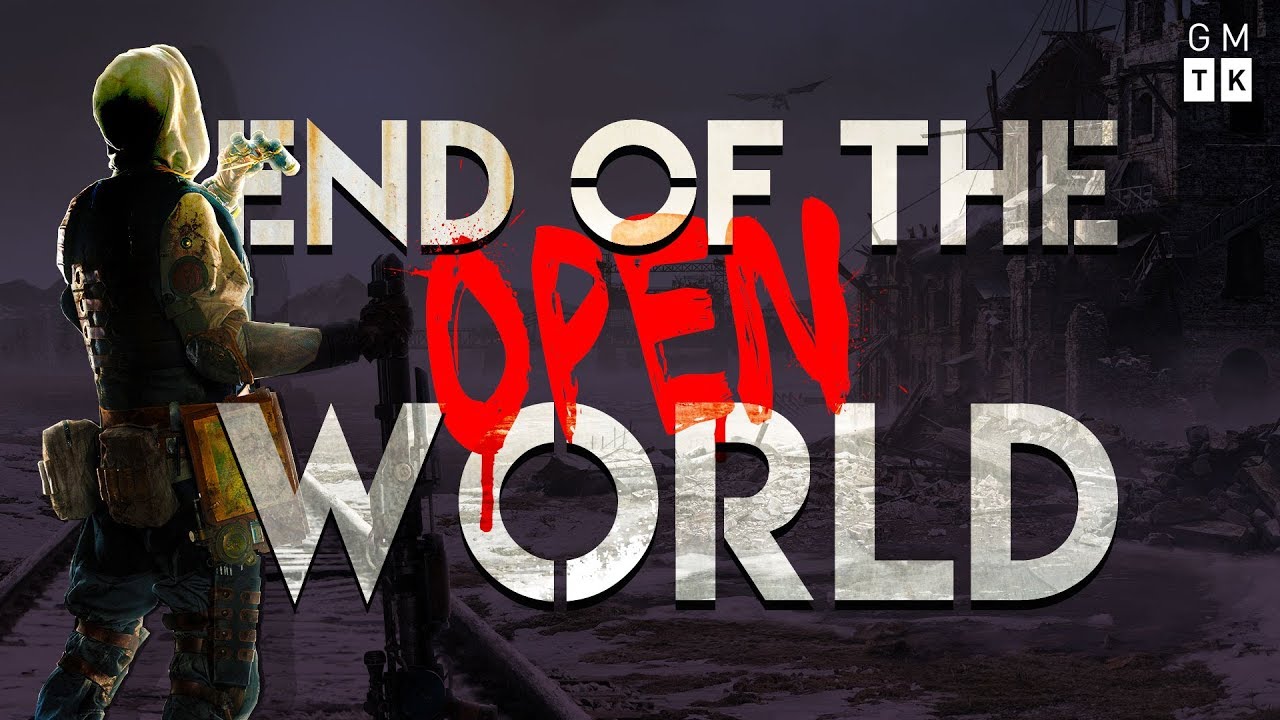
Mark Brown, the host of the analysis channel Game Maker’s Toolkit, spends just over 14 minutes dismantling one of the most talked-about design achievements of 2019: the sense of presence baked into Metro Exodus. His video, “Why Metro Exodus is so Immersive,” skips the usual graphics-and-atmosphere praise and instead asks a much narrower question — what specific systems keep a player locked inside protagonist Artyom’s skin, moment to moment, without the game ever pulling them back out to a menu screen.
- Brown’s central case study is diegetic UI: Artyom checks a physical hand-held map and compass instead of pausing on an overlay, tracks oxygen through an analog wristwatch gauge, and wipes grime off his gas mask visor by hand.
- The video traces how 4A Games carried the tunnel-bound immersion tricks of Metro 2033 and Metro: Last Light into the sprawling, semi-open Volga and Caspian hub levels of Exodus.
- Brown argues the game achieves both spatial and systemic immersion by refusing standard open-world crutches — no constant waypoint marker, manual flashlight charging, and hands-on gun maintenance instead of a stats menu.
Defining Immersion Beyond Buzzwords
Brown opens by refusing to let “immersion” stay a vague marketing word. He treats it as a design problem with an actual mechanism: every time a game forces the player out of the character’s point of view — into a paused inventory grid, a floating health bar, a fast-travel map — it snaps the illusion. The question he poses is how few of those breaks Metro Exodus actually has, and what 4A Games built to fill the gaps left behind.
That framing matters because it separates Exodus from games that lean purely on art direction or voice acting to sell atmosphere. Brown’s point is that immersion, in his usage, is measurable by how rarely the interface reminds you it exists.
The Diegetic Interface
The bulk of the video walks through concrete examples where 4A Games moved information off the HUD and into Artyom’s hands. Instead of opening a map screen and pausing the world, Artyom pulls a paper map from his jacket and reads it in real time while enemies keep moving. He flicks open a Zippo-style lighter to read notes rather than triggering a glowing subtitle box. His wristwatch doubles as an oxygen gauge in the game’s toxic zones, and his gas mask fogs and cracks under stress, requiring him to physically wipe the visor or tape over damage mid-fight.
Every one of those systems exists in the game world Artyom occupies — there’s no menu, no pause, no abstraction standing between the player and the character.
Brown contrasts this with the more conventional UI approach in other shooters, where a minimap or ammo counter sits permanently on-screen regardless of what’s happening in the fiction. Fans of that kind of teardown on tactile survival systems have also gravitated toward games like BioMutant, which borrows some of the same post-apocalyptic survival logic, and toward the granular realism discussions around earlier action-adventure titles built on similar tactile-detail philosophies.
From Linear Tunnels to Open Hubs
A key section of the essay tracks how 4A Games translated immersion techniques built for the claustrophobic, scripted corridors of Metro 2033 and Metro: Last Light into the much larger Volga and Caspian sandbox levels in Exodus. Linear tunnel design makes tight control over pacing and detail relatively easy; open, drivable hub maps make it much harder, since players can wander anywhere and break the carefully staged rhythm the earlier games relied on.
Brown shows how the studio kept that control by removing the safety net most open-world games depend on. There’s no omnipresent waypoint dragging players toward the next objective, flashlights need manual charging rather than infinite battery, and weapons require hands-on cleaning and reloading rather than a stat screen swap. The result, as Brown frames it, is that players are forced into deliberate, physical engagement with the landscape instead of autopiloting to a marker — a technique that has drawn comparisons in the wider genre conversation to how flight and vehicle sims chase a similar sense of tactile presence, as seen in breakdowns like this VR flight sim analysis.
Factors Driving Strategic Consistency
Brown closes his argument by tying the diegetic-interface philosophy directly to the game’s pacing choices. Because so much information lives in the physical world rather than an overlay, the player’s attention never leaves Artyom’s hands, his mask, or his surroundings — which is exactly the throughline connecting the tight tunnels of the original games to the open Caspian desert.
Brown’s video has become a reference point in game design circles specifically because it names the mechanism instead of just praising the mood — diegetic UI, forced tactile maintenance, and the removal of waypoint hand-holding, stacked together, are what keep Metro Exodus feeling like a place you’re standing in rather than a map you’re clicking through.








25 INSANE Details in The Last of Us Part II
The Brutal Open-World Action Game That Has Been Forgotten…
First Time Playing Death Stranding
Why You Should (And Shouldn’t) Buy PlayStation VR in 2019
Xbox & Bethesda Games Showcase – 4K – Full Show